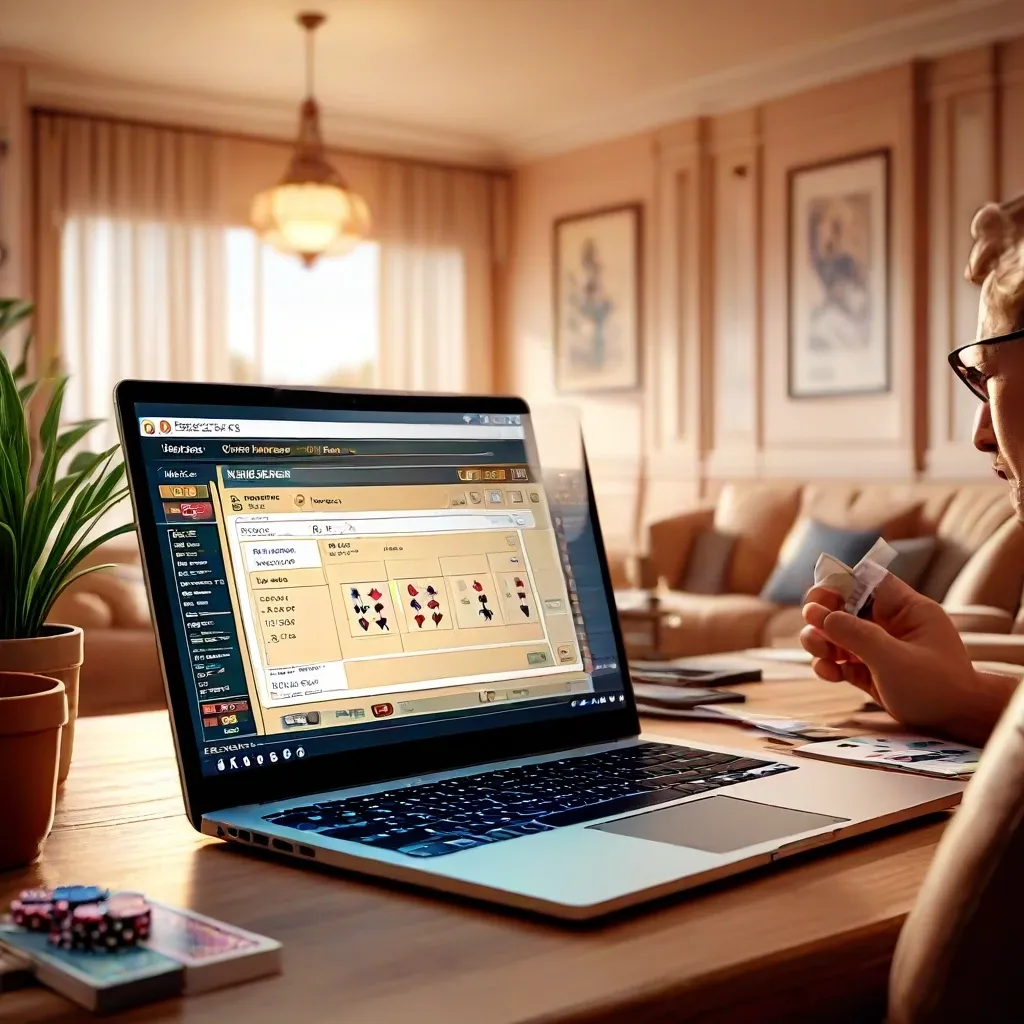
Imagine Sarah, a busy professional who enjoys unwinding with online poker after a long day. She sets a deposit limit each week. This small act transforms her gambling from a potential risk into a controlled form of entertainment. This is the essence of responsible gambling – managing your leisure activities so they don’t manage you. Gambling tools can help everyone.
Responsible gambling is all about making informed choices and staying in control. It means understanding the risks involved and using available resources to prevent gambling-related harm. It’s not about demonizing gambling, but about approaching it with awareness and respect.
From setting deposit limits and using self-exclusion programs to understanding the odds and recognizing the signs of problem gambling, a wealth of tools exists to help individuals gamble safely. These aren’t just for people struggling with addiction. They’re for anyone who wants to enjoy gambling without letting it take over their lives. Embrace these tools, stay informed, and keep your gaming enjoyable.
Understanding Responsible Gambling
Responsible gambling is about making informed and sensible choices when participating in gambling activities. It means understanding the odds, recognizing the risks, and maintaining control over your spending and behavior. It’s not just for individuals struggling with problem gambling; it’s a set of safe gambling practices applicable to everyone who engages in any form of wagering, from lottery tickets to online casinos.
At its core, responsible gambling encompasses awareness, control, and harm prevention. Awareness involves understanding the potential gambling risks, including the odds of winning and the possibility of losing money. Control means setting limits on time and money spent gambling, resisting the urge to chase losses, and not allowing gambling to interfere with daily responsibilities. By understanding the gambling risks, individuals can enjoy gambling as a recreational activity without experiencing negative personal and financial consequences.
Practicing responsible gambling offers many benefits. Responsible gambling can prevent individuals from experiencing financial ruin, relationship problems, and mental health issues that can develop from gambling addiction. While many believe that gambling addiction is rare, studies show that a significant percentage of the population experiences problem gambling, highlighting the importance of responsible practices. Responsible gambling not only protects individuals, but also contributes to a safer and more sustainable gambling environment for everyone.
Identifying Your Gambling Patterns
Understanding your gambling habits is the first step toward responsible gaming or addressing potential problems. Gambling can be a fun and exciting activity, but it’s essential to be aware of how your behavior might be trending toward riskier patterns. A gambling self-assessment can provide valuable insights into your relationship with gambling.
Gambling Self-Assessment: Questions to Ask Yourself
Honest self-reflection is crucial. Consider the following questions to evaluate your gambling habits:
- Frequency: How often do you gamble (daily, weekly, monthly)? More frequent gambling can indicate a higher risk.
- Chasing Losses: Do you ever try to win back money you’ve lost by gambling more? This is a significant red flag.
- Financial Impact: Are you gambling with money needed for essential expenses like rent, bills, or groceries?
- Borrowing: Have you ever borrowed money to gamble or pay off gambling debts?
- Secrecy: Do you hide your gambling activities from friends and family?
- Guilt or Remorse: Do you feel guilty or remorseful after gambling?
- Loss of Control: Do you feel like you can’t stop gambling, even when you want to?
- Impact on Relationships: Has your gambling negatively affected your relationships with others?
Healthy vs. Unhealthy Gambling Behaviors
Healthy gambling involves setting limits, sticking to a budget, and viewing gambling as a form of entertainment. It doesn’t negatively impact your finances, relationships, or emotional well-being.
Unhealthy gambling is characterized by chasing losses, gambling with money you can’t afford to lose, neglecting responsibilities, and experiencing negative consequences in various aspects of your life.
Understanding Risk Levels
Answering “yes” to several of the questions above suggests a higher risk level. Even a few “yes” answers warrant careful consideration. Recognizing potential problems early on allows you to take proactive steps to manage your gambling habits and prevent further issues. If you recognize unhealthy patterns, seeking support and professional help is highly recommended.

The Spectrum of Responsible Gambling Tools
Responsible gambling tools are essential resources designed to help individuals manage their gambling habits and prevent problem gambling. These tools offer various methods to control spending, time spent, and overall gambling behavior, ensuring a safer and more enjoyable experience. Let’s explore some of the most common and effective responsible gambling tools available.
Deposit Limits
Deposit limits are a straightforward yet powerful tool for managing your gambling budget. They allow you to set a cap on the amount of money you can deposit into your gambling account within a specific timeframe (e.g., daily, weekly, or monthly). By setting a deposit limit, you ensure that you stick to your predetermined spending plan and avoid overspending. Setting up deposit limits typically involves navigating to the “Responsible Gambling” or “Account Settings” section of your online gambling platform. Once set, the system will prevent you from depositing more than your chosen limit. This tool is particularly helpful for those who want to maintain control over their finances and prevent impulsive decisions.
Time Limits
Time limits are designed to help you manage the amount of time you spend gambling. Just as it sounds, this feature allows you to set a maximum duration for your gambling sessions. When you reach your set limit, the system will automatically log you out or display a notification reminding you to take a break. To set it up, you will likely find the feature in the responsible gambling section. Sticking to these limits can be challenging, but setting alarms or using timers can provide extra support. Using them can help prevent excessive gambling and integrate it in a more balanced way into your life.
Self-Exclusion
Self-exclusion is a more intensive tool designed for individuals who recognize they have a significant gambling problem. It involves voluntarily banning yourself from gambling venues and online platforms for a set period, typically ranging from six months to five years. The process usually requires filling out a form and submitting it to the gambling operator or regulatory body. Once self-excluded, the operator will take steps to prevent you from accessing their services, which may include closing your account and removing you from marketing lists. Self-exclusion can provide a crucial break from gambling, offering an opportunity to seek help and develop coping strategies. Many resources can guide you through the process and can improve your life.
Reality Checks
Reality checks are notifications that appear on your screen at predetermined intervals during your gambling session. These notifications display information such as the amount of time you have been playing, your wins and losses, and a reminder of your spending. These reality check notifications serve as a spontaneous wake-up that prompts you to pause, assess your current situation, and make an informed decision about whether to continue gambling. By providing you with real-time data and a moment for reflection, reality checks can help you stay aware of your gambling behavior and prevent you from getting too carried away. If you feel immersed in the game, these reminders can be a crucial tool to avoid overspending.
Choosing the Right Tools for You
Finding the right responsible gambling tools isn’t about picking the flashiest option; it’s about finding what genuinely fits your unique situation. Think of it as tailoring a suit – off-the-rack might work, but a custom fit is always better. Start by honestly assessing your gambling habits and risk profile. Are you prone to chasing losses? Do you gamble more when stressed? Answering these questions will guide you toward the most effective tools.
For instance, if you know you tend to chase losses, deposit limits can be a game-changer. They prevent you from adding more funds when emotions are running high. If you gamble out of boredom, consider using time-tracking apps to monitor how much time you’re actually spending. Someone who gets carried away with in-play betting might benefit from pre-set loss limits. Don’t be afraid to experiment. Try different combinations of tools, and see what feels most comfortable and effective.
It’s also wise to remember that personalized gambling tools aren’t a one-size-fits-all solution. What works brilliantly for one person might be useless for another. Take some time to experiment with different responsible gambling strategies. And if you’re struggling to get a handle on things, don’t hesitate to reach out to a professional. There are plenty of resources available, and seeking help is a sign of strength, not weakness. Finding the right tools is a journey, and it’s one worth taking.
How to Use Responsible Gambling Tools Effectively
Effectively using responsible gambling tools involves a proactive and consistent approach. Begin by exploring the tools available on your preferred gambling platforms. Most offer options to set deposit limits, wagering limits, and time limits. Initiate by establishing realistic limits that align with your budget and gambling habits. It’s crucial to be honest with yourself during this process.
Once your limits are set, consistently monitor your gambling behavior. Many platforms provide detailed tracking tools that allow you to review your spending, time spent gambling, and overall progress. Regularly examine these metrics to identify any potential issues or concerning trends. If you notice an increase in spending or time spent gambling, it may be time to re-evaluate your limits.
Gambling habits can change over time, so it’s essential to remain flexible and adjust your strategies as needed. If you find that your current limits are too restrictive or not restrictive enough, don’t hesitate to modify them. The goal is to maintain a healthy balance and prevent gambling from becoming problematic. Stay motivated by celebrating your successes and acknowledging your progress. If you encounter temptation, remind yourself of the reasons why you set limits in the first place, and seek support from friends, family, or a professional if needed.

Overcoming the Stigma & Seeking Support
Problem gambling often carries a heavy cloak of shame, a gambling stigma that can be just as crippling as the addiction itself. This stigma, fueled by misconceptions and judgment, whispers lies that isolate individuals and prevent them from seeking help for gambling. Many fear being labeled as irresponsible, weak-willed, or a failure, leading them to hide their struggles and further entrench themselves in the cycle of addiction.
But here’s the truth: facing a gambling problem is not a sign of weakness; it’s an act of courage. Recognizing the need for support is the first step towards reclaiming control and building a healthier future. Countless individuals have successfully navigated the path to recovery, proving that it is possible to break free from the grip of addiction and rebuild lives.
Imagine Sarah, who lost her family’s savings to online slots. Overwhelmed with guilt and shame, she initially tried to handle it alone, sinking deeper into depression. It wasn’t until she confided in a trusted friend who gently guided her toward a support group that she began to heal and find her strength. Or consider David, a successful businessman who concealed his compulsive betting for years. The fear of jeopardizing his reputation kept him silent until he finally reached a breaking point and sought professional therapy. Both Sarah and David discovered that vulnerability and seeking support were pivotal in their journeys to recovery.
If you or someone you know is struggling with gambling addiction support remember you’re not alone. Numerous problem gambling resources are available to provide guidance and assistance. Here are some avenues to explore:
- National Problem Gambling Helpline: Call or text 1-800-GAMBLER.
- Gamblers Anonymous: Find local support groups and online forums.
- National Council on Problem Gambling (NCPG): Visit their website for information, resources, and referrals.
Reaching out for help is a sign of strength, not weakness. Take that brave first step. A brighter, healthier future awaits.
Staying Informed and Up-to-Date
The landscape of gambling, and by extension, responsible gambling, is in constant flux. New research emerges, innovative tools are developed, and regulations evolve. Staying stagnant is simply not an option if someone is committed to betting responsibly. He needs to embrace a mindset of continuous learning and adaptation.
This means actively seeking out responsible gambling updates, familiarizing yourself with new gambling tools designed to aid in self-monitoring and control, and keeping abreast of the latest gambling research. This knowledge empowers individuals to make more informed gambling decisions, grounded in data and best practices, rather than relying on outdated information or gut feelings.
The commitment to staying informed ensures someone’s approach to responsible gambling remains effective, adaptable, and aligned with the most current understanding of how to mitigate risks and maintain control.
Conclusion
In summary, responsible gambling is not a one-time decision but a continuous practice that involves understanding the risks, setting limits, and using available resources to maintain control. Recognizing the signs of problem gambling and taking timely action are essential for safeguarding personal and financial well-being. Embrace the tools and strategies discussed to enhance your gambling experience while minimizing potential harm.
Take control of your gambling habits today. By prioritizing responsible gambling, individuals can enjoy the thrill of gaming while protecting themselves and their loved ones. If there’s a feeling that gambling is becoming problematic, seek help without delay. Remember, responsible gambling is about enjoying the game safely and responsibly.